Three days in New York City, planned day by day
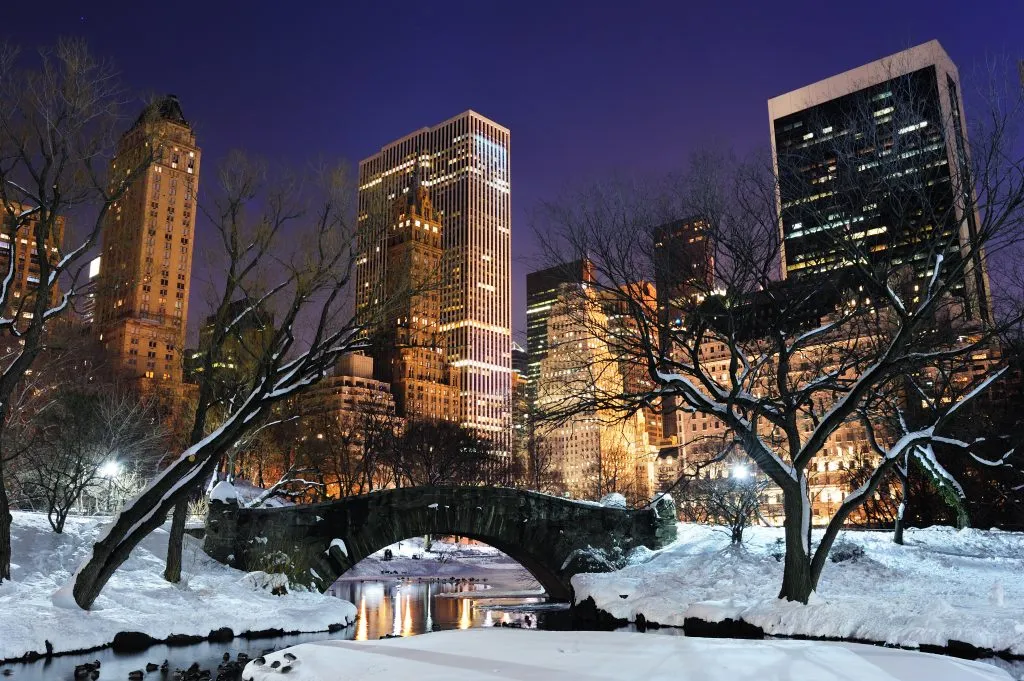
Three days in New York City is enough to see the icons, eat well and still have time to wander. The trick is to plan by neighborhood: Midtown and Central Park on one day, Lower Manhattan and Brooklyn on another, and downtown villages on the third.
Before you go
Best time to visit
April through June and September through early November are the most pleasant months for walking. December is crowded but magical, with the tree at Rockefeller Center and holiday windows on Fifth Avenue. July and August are hot, and winter is cold but has shorter lines.
Getting around
The subway runs all day and all night, and it is the fastest way across the city. Tap a contactless card or phone at the turnstile. Learn the difference between local and express trains before you board. From JFK, the AirTrain connects to the subway and the Long Island Rail Road. From LaGuardia and Newark, plan ahead because the connections are less direct.
Where to stay
- Midtown: the most central base, near Times Square, Rockefeller Center and many subway lines.
- Upper West Side: residential, close to Central Park and the American Museum of Natural History.
- Greenwich Village and SoHo: walkable, charming streets and great food, with a neighborhood feel.
- Brooklyn near DUMBO or Brooklyn Heights: quieter evenings and skyline views, one subway stop from Manhattan.
Day 1: Central Park, museums and Midtown
Morning
Enter Central Park at the southeast corner near Grand Army Plaza. Walk north along the Mall, a promenade lined with elms, to Bethesda Terrace and its fountain. Cross Bow Bridge and loop through the Ramble. On the west side, stop at Strawberry Fields, the memorial to John Lennon across from the Dakota.
Afternoon
Choose one museum and give it real time. The Metropolitan Museum of Art on Fifth Avenue is one of the largest art museums in the world, with Egyptian galleries, the Temple of Dendur and European masters. If you prefer modern art, go to MoMA in Midtown for Van Gogh's The Starry Night and Monet's Water Lilies. Families often prefer the American Museum of Natural History for its dinosaurs and blue whale.
Evening
Walk down Fifth Avenue past St. Patrick's Cathedral to Rockefeller Center. For the view, go up Top of the Rock, which has the advantage of including the Empire State Building in your photos. Then see a Broadway show in the Theater District and take in Times Square lit up afterward. Book the show and the observation deck ahead and check current times.
Day 2: Lower Manhattan and Brooklyn
Morning
Start early at Battery Park and take the official ferry to the Statue of Liberty and Ellis Island. The Ellis Island National Museum of Immigration is moving and worth the time, especially if your family came through New York. Plan on most of the morning for both islands.
Afternoon
Back in Manhattan, walk to the 9/11 Memorial, where two reflecting pools sit in the footprints of the Twin Towers. The museum beside it is powerful and needs a couple of hours. Nearby, look up at One World Trade Center and the white ribs of the Oculus. Walk past Wall Street and the New York Stock Exchange, then head to the Brooklyn Bridge.
Evening
Walk across the Brooklyn Bridge toward Brooklyn late in the afternoon, when the light on the skyline is best. Come down into DUMBO, take the classic photo of the Manhattan Bridge framed by Washington Street, and spend sunset in Brooklyn Bridge Park. Have pizza nearby; the neighborhood is famous for it, and lines are part of the tradition.
Day 3: The High Line and downtown villages
Morning
Have a bagel breakfast, then walk the High Line, an elevated park built on an old freight rail line on the West Side. Start near Hudson Yards and walk south to the Meatpacking District. At the end, step into Chelsea Market for coffee and snacks, and see the Whitney Museum of American Art next door.
Afternoon
Walk into Greenwich Village. Wander the West Village side streets, then make your way to Washington Square Park and its arch. Continue into SoHo for cast iron buildings and shopping, then through Little Italy and Chinatown for dumplings. On the Lower East Side, Katz's Delicatessen has served pastrami since the 1880s.
Evening
For your last night, choose your New York. Have dinner in the West Village and catch a set at a jazz club like the Village Vanguard. Or head back to Midtown to see Grand Central Terminal and its celestial ceiling, then go up the Empire State Building for a last look at the city lights.
If you have more time
Add a fourth day for something farther afield. The Cloisters in Fort Tryon Park, a branch of the Met devoted to medieval art and gardens, feels like a different world. Baseball fans can see a game at Yankee Stadium in the Bronx. In summer, ride the subway to Coney Island for the boardwalk and the historic Cyclone roller coaster.
Tips for a smooth three days
- Book Statue of Liberty ferry tickets, Broadway and observation decks before you arrive.
- Wear shoes you can walk in all day. You will easily walk many miles.
- Do not try to see every museum. One per day keeps the trip fun.
- Group your days by neighborhood, the way this plan does, so you are not crossing the city twice.
Planning it in Wander Off
Create an adventure for New York and add each stop to the Plan tab by day, from Bethesda Terrace on Day 1 to the West Village on Day 3. Invite your travel partners to vote on which museum and which show to see, then book flights and your hotel in the Tickets tab, and ask the AI Travel Concierge to find things to do near your neighborhood. Every photo and video lands on the right day and place, so your trip tells its own story when you get home. Make the adventure public and friends can use Copy this trip to put your plan on their own dates, which we cover in our guide to copying a travel itinerary, and our Chicago weekend itinerary is a good next city.