
Snowshoeing for Beginners: 7 Easy US Trails for a First Trip
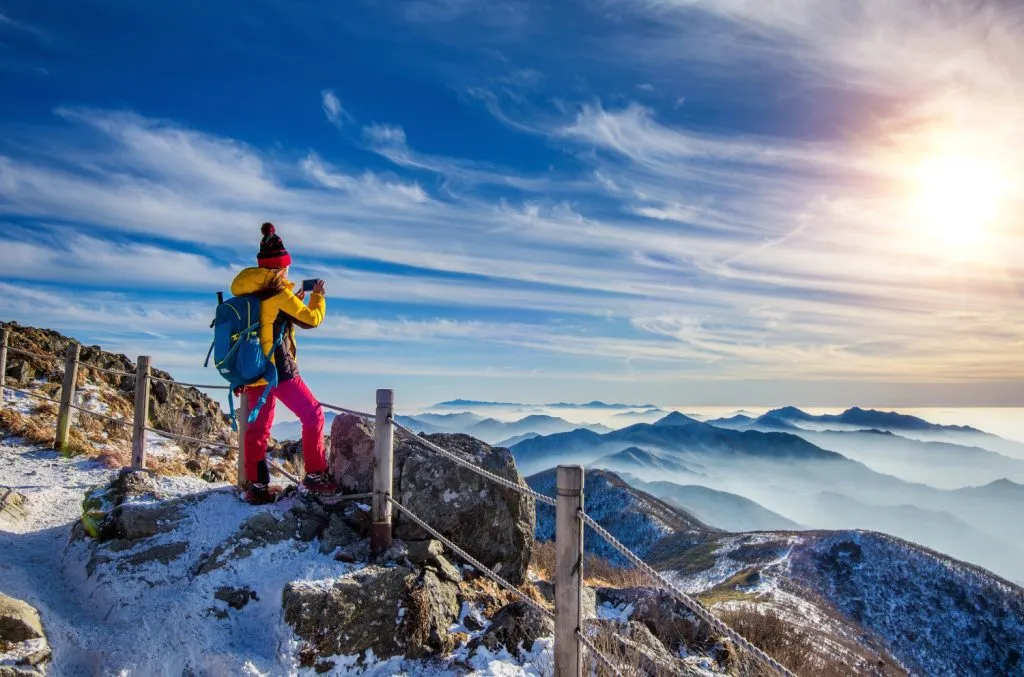
If you can walk, you can snowshoe. That is the whole appeal. There is no lift ticket, no lesson you have to book weeks ahead and no steep learning curve. You strap on a pair of wide frames, step onto the snow and head into a quiet winter forest that most people only see from a car window.
Here is what to rent, how to move on snow, the safety basics and seven easy US places to try it this winter.
Why snowshoeing is a great first winter sport
Snowshoes spread your weight across a larger surface, so you float on deep snow instead of sinking to your knees. That simple idea opens up trails that are impossible to walk in winter boots alone.
It is also forgiving. Falls are rare and usually soft, and you set your own pace. That makes it a natural pick for mixed groups, couples, families with older kids and anyone who wants a winter adventure without the intensity of a ski day.
What to rent and what to wear
Snowshoes
Rent before you buy. Many outdoor shops, ski areas and some park visitor areas rent snowshoes by the day, and staff can size them for you. Snowshoes are sized by your weight plus your pack, and by the kind of snow you expect. Larger frames float better in deep, fresh powder. Smaller frames are easier to handle on packed trails, which is where most beginners start.
Poles
Trekking poles or ski poles with snow baskets make a big difference for balance, especially on small hills. Most rental shops include them or offer them for a small add on.
Boots and layers
Wear warm, waterproof boots you can walk in comfortably, and dress in layers, because snowshoeing warms you up fast:
- A base layer that wicks sweat, never cotton
- A warm middle layer like fleece
- A waterproof or water resistant shell jacket and pants
- Warm socks, gloves, a hat and sunglasses
- Gaiters if you expect deep snow, so it stays out of your boots
In your daypack
Bring water, snacks, a spare layer, sunscreen, a headlamp, a small first aid kit and a charged phone kept in an inside pocket, since cold drains batteries. If you are planning a full winter trip, our ski trip planner for Aspen has more ideas on gear and staying warm in the mountains.
How to walk in snowshoes
On flat ground
Walk normally, with your feet a little wider apart than usual so the frames do not bump. Lift your feet just enough to clear the snow and let the snowshoe slide forward. Within a few minutes it will feel natural.
Going uphill
Lean slightly forward and dig in with the toe crampons under the ball of your foot. On steeper climbs, kick the front of the snowshoe into the slope to make a small step.
Going downhill
Keep your knees soft, your weight slightly back and your poles planted ahead of you. Step down with your heel first so the crampons bite. Take smaller steps than you think you need.
Turning and trail manners
Turn in a wide arc rather than pivoting in place. If you share a trail with cross country skiers, stay off the groomed ski tracks, since snowshoe prints ruin them. Step aside to let faster people pass, and yield to anyone coming uphill.
Safety basics for your first outing
- Start short. Snowshoeing takes more effort than hiking the same distance. Plan for half the distance you would hike in summer.
- Watch the daylight. Winter days are short. Start early and turn around well before sunset.
- Stay on marked trails. Beginners should stick to well marked, low angle trails in forests and meadows.
- Avoid avalanche terrain. Steep open slopes and the areas below them can slide. If you head into the mountains, check the local avalanche forecast and choose trails that stay out of that terrain.
- Tell someone your plan. Share where you are going and when you expect to be back.
- Check conditions and road access. Many mountain roads close or require chains in winter. Look up current road, trail and weather conditions before you leave.
7 easy places to try snowshoeing in the US
Mount Rainier National Park, Washington
The Paradise area on the south side of Mount Rainier is famous for deep snow and big views of the mountain. Its gentle meadows are ideal for a first outing. The park has offered ranger led snowshoe walks on winter weekends, so check the current schedule before you go.
Yosemite National Park, California
In winter, the Badger Pass area off Glacier Point Road becomes a snowy playground with marked trails through quiet forest. The longer route toward Dewey Point rewards stronger snowshoers with a view over Yosemite Valley. Beginners can stick to the easier forest loops.
Rocky Mountain National Park, Colorado
The Bear Lake area is a classic winter starting point. The short trail to Nymph Lake is a popular first snowshoe, and fitter beginners can continue toward Dream Lake. The air is thin up there, so go slowly and drink plenty of water.
Crater Lake National Park, Oregon
Crater Lake gets enormous amounts of snow, and winter turns the rim into a white, silent world. Starting near Rim Village, you can snowshoe to viewpoints above the deep blue lake when the weather is clear. The park has run ranger led snowshoe walks in winter, which are a great way to learn. Check current details first.
Bryce Canyon National Park, Utah
Fresh snow on the red hoodoos of Bryce Canyon is one of the great winter sights in the West. Easy walks along the rim give you that view without much climbing. For more ideas on visiting parks in the cold months, see our guide to the best national parks to visit in winter.
Lake Tahoe, California and Nevada
The mountains around Lake Tahoe are full of beginner friendly snowshoe terrain, from wide meadows to forest trails with glimpses of the lake. Tahoe Meadows, along the Mount Rose Highway on the Nevada side, is a favorite for its open, gentle terrain. Several cross country ski centers around the lake also have snowshoe trails and rentals.
White Mountains, New Hampshire
In the Northeast, the White Mountain National Forest is a great place to start. The Lincoln Woods Trail near the town of Lincoln follows an old railroad bed along a river, so it stays nearly flat for miles. It is a perfect first trail for building confidence before you try anything steeper.
Planning a group snowshoe trip
Snowshoeing works best with friends. Choose one main trail and a shorter backup in case of wind or heavy snow, and plan a hot chocolate stop afterward. Our page on planning a group trip covers how to keep everyone on the same page.
Planning your snowshoe trip in Wander Off
Create an adventure in Wander Off and add your trailheads, rental shop, lodging and that post hike dinner spot to the Plan tab by day. Invite your group so everyone can vote on which trail to try first. Book flights, hotels and things to do right in the app, and ask the AI Travel Concierge for stays near the park. On the trail, your photos and videos land on the right day and place automatically, so the whole group ends up with one shared travel photo album. When you are home, make the trip public so friends can copy it for their own first snowshoe weekend.