
Best National Parks to Visit in Winter: 7 Quiet US Escapes
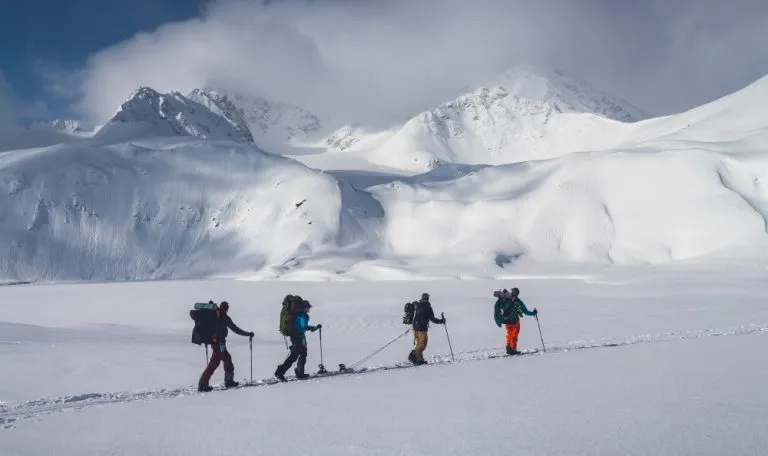
Winter is the secret season for national parks. Crowds thin out, wildlife is easier to spot, and familiar views look brand new under snow or soft desert light. Some parks are at their very best from December through February.
Here are seven of the best national parks to visit in winter, split between snowy escapes and warm weather getaways, plus the planning tips that make a cold season trip go smoothly.
Before you go: winter park basics
Winter trips reward a little extra planning. Roads, visitor centers and lodges often run on reduced schedules, and some park roads close for the season entirely. Check the official park website and current road conditions the week you travel, and again the morning you drive.
A few habits help everywhere:
- Start early and finish early. Days are short, and the light fades fast in mountain parks.
- Pack traction. Microspikes or similar traction for your boots turn an icy trail into an easy walk.
- Dress in layers. A warm base layer, a fleece and a waterproof shell handle most conditions.
- Keep your gas tank full. Services can be far apart, and some close in winter.
- Book lodging early. Places inside or near the parks are limited in the off season.
Snowy parks
Yellowstone National Park, Wyoming
Yellowstone in winter feels like a different planet. Steam rises from geyser basins into frozen air, bison wear coats of frost, and the crowds of summer are gone.
Most park roads close to regular cars in winter. The big exception is the northern road from the North Entrance at Gardiner, Montana, through Mammoth Hot Springs and the Lamar Valley toward Cooke City. That drive is open all year and is one of the best places in the country to watch for wolves, bison and elk. Bring binoculars and go at dawn.
To reach Old Faithful and the geyser basins in the interior, you join a guided snowcoach or snowmobile tour. It is a memorable way to see the park, and it is worth booking well ahead. Our Yellowstone 3 day itinerary covers the classic sights if you want to compare a summer visit.
Bryce Canyon National Park, Utah
Picture bright orange hoodoos with white snow on every ledge. That is Bryce Canyon in winter, and it is one of the most photogenic sights in the West.
The park sits above 8,000 feet, so snow is common, but the main road is plowed and the park stays open all year. Watch sunrise from Sunrise Point or Inspiration Point, then walk a short stretch of the Rim Trail. Snowshoeing is a fun way to explore after a fresh storm. Nights are very cold, and the dark skies make for incredible stargazing.
Grand Canyon National Park, South Rim, Arizona
The South Rim is open all year, and a dusting of snow on the red and gold layers of the canyon is a sight many visitors never see. At around 7,000 feet, the rim can be cold and icy even when the canyon floor is mild.
Walk the paved Rim Trail between viewpoints like Mather Point and Yavapai Point, and stay for sunset. If you hike below the rim on trails like Bright Angel, wear traction, since the upper sections are often packed with ice. The North Rim closes for the winter season, so plan on the South Rim. Our Grand Canyon South Rim itinerary has a full plan you can adapt for colder weather.
Yosemite National Park, California
Yosemite Valley is open all year, and winter brings quiet trails and snow on the granite walls of El Capitan and Half Dome. Stop at Tunnel View for the classic look down the valley, and walk to the base of Lower Yosemite Fall.
Some high country roads, including Tioga Road, close for the season. Carry tire chains in winter, since chain requirements can go into effect on park roads during storms. Badger Pass offers skiing and snowshoeing when there is enough snow.
Warm weather parks
Death Valley National Park, California and Nevada
Death Valley is the hottest place in North America in summer, which makes winter its prime season. Days are usually pleasant for hiking, and the low winter sun makes the colors in the rocks glow.
Stand on the salt flats at Badwater Basin, the lowest point in North America. Catch sunrise at Zabriskie Point, drive Artists Drive in the late afternoon, and walk the Mesquite Flat Sand Dunes near sunset. The park is huge, so plan your days by area to cut down on driving.
Joshua Tree National Park, California
Joshua Tree is a desert playground of twisted trees and giant boulder piles, and winter is one of the most comfortable times to explore. Days are often mild, but nights can drop close to freezing, so bring a warm jacket.
Walk the Hidden Valley loop, see Skull Rock, and drive up to Keys View for a wide look over the Coachella Valley. Visit the Cholla Cactus Garden in soft morning or evening light. Joshua Tree is also known for dark night skies, so stay out after sunset if you can.
Everglades National Park, Florida
Winter is the dry season in the Everglades, roughly December through April. Water levels drop, wildlife gathers around the remaining pools, and mosquitoes are far less of a problem than in summer.
The short Anhinga Trail near the Royal Palm area is famous for close views of alligators, turtles and wading birds. At Shark Valley, you can bike or take a tram tour along a long loop road through the sawgrass. Bring sun protection and plenty of water, since the Florida sun is strong even in January.
How to pick the right winter park
Start with what kind of trip you want. If snow is the point, choose Yellowstone, Bryce Canyon or Yosemite, and plan around shorter days and possible road delays. If you want to escape the cold, Death Valley, Joshua Tree and the Everglades give you sunny days and easy hiking.
Then think about your group. Kids and first timers often love the wildlife at Yellowstone and the Everglades. Photographers tend to fall for Bryce Canyon and Death Valley. If you only have a long weekend, pick one park and go deep rather than trying to link several together.
Planning your winter park trip in Wander Off
Create an adventure for your park trip and invite everyone coming along. Add the viewpoints, trails, tours and places to eat to the Plan tab by day, and let the group vote on the hikes. Use our trip itinerary planner tips to keep each day realistic for short winter light, and book flights, hotels and things to do in the Tickets tab. Every photo from the trip lands on the right day and place automatically, building a shared travel photo album for the whole group. When you get home, make the adventure public so friends can copy your winter escape for their own dates.