
Where to See the Northern Lights in the US This Winter
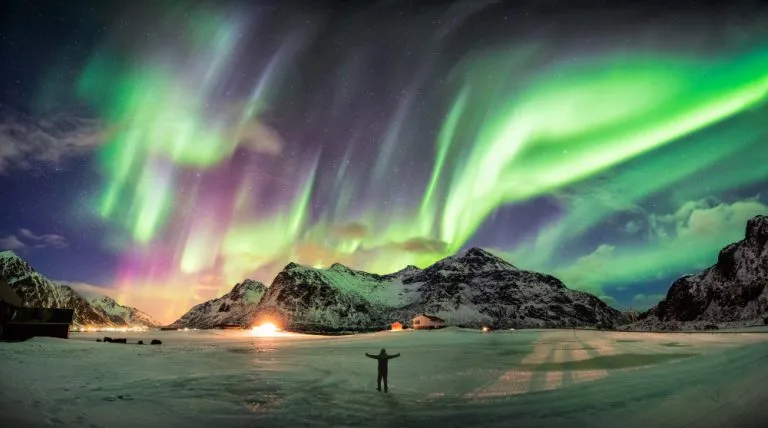
You do not have to fly to Iceland or Norway to see the aurora. Long, dark winter nights make the coming months a great time to look up, and several places in the United States give you a real chance at a show. Here is where to see the northern lights in the US, when to go, and how to give yourself the best odds once you are there.
How the northern lights work, in plain terms
The aurora happens when particles from the sun reach Earth and light up the upper atmosphere. Most of that activity circles the far north in a ring called the auroral oval. The closer you are to that ring, the more often you see the lights. When the sun is especially active, the oval stretches south and the lights can show up over the northern Lower 48.
That gives you two kinds of trips. In Alaska, you plan a trip and expect good odds over several nights. Farther south, you pick a dark spot you would enjoy anyway and watch the forecast for a lucky night.
Tips for seeing the lights
A few habits matter more than anything else.
- Go when it is dark for a long time. Late fall through early spring gives you the longest nights. In Alaska the season runs roughly from late August into April.
- Watch the moon. A bright full moon washes out faint auroras. Nights near a new moon are best.
- Get away from city lights. Even a small town glows. Drive to a lake shore, a field or a park with an open view to the north.
- Stay up late. Activity often peaks in the hours around midnight, though it can happen any time it is dark.
- Check the forecast. The NOAA Space Weather Prediction Center publishes a free aurora forecast. Many travelers also watch the Kp index, a simple scale of geomagnetic activity. Higher numbers mean the lights may reach farther south.
- Check the clouds too. A strong aurora does not help if the sky is overcast, so look at the regular weather forecast before you head out.
- Give your eyes time. Let them adjust to the dark for 20 minutes and keep your phone screen dim.
1. Fairbanks, Alaska
If you want the best odds in the country, go to Fairbanks. The city sits under the auroral oval, so clear nights in winter often bring the lights, and many visitors plan three or four nights to allow for clouds.
Stay outside town or join a guided aurora tour that drives you to dark viewing spots. Chena Hot Springs, about an hour away, is a favorite because you can soak in the warm water and watch the sky. Dress for real cold. Winter nights in interior Alaska can be far below zero.
2. Northern Minnesota
Minnesota is one of the best Lower 48 states for the aurora. Voyageurs National Park, along the Canadian border, is an International Dark Sky Park with wide views over frozen lakes. The North Shore of Lake Superior is another strong choice. Towns like Grand Marais make an easy base, and the big lake gives you an open horizon to the north.
Pair the trip with snowshoeing, cross country skiing or a cozy cabin, so the weekend is great even if the sky stays quiet.
3. Michigan's Upper Peninsula
The Upper Peninsula has long, dark nights and miles of Lake Superior shoreline. Marquette and the Keweenaw Peninsula are popular bases, with beaches and rocky points that look north over the water.
Just south of the bridge, Headlands International Dark Sky Park near Mackinaw City is another well known spot for night sky watching. A winter road trip through the UP can mix waterfalls in the ice, small town diners and late nights by the lake.
4. Northern Maine
Aroostook County in far northern Maine is very dark and very quiet, which makes it a good place to catch the lights when activity is strong. Farther south, Acadia National Park is famous for its night skies and gives you rocky coastline views to frame the show.
Winter in Acadia is calm, and many park roads and services are limited in the cold months, so check current conditions before you go.
5. North Dakota
North Dakota has wide open skies and very little light pollution, which is exactly what you want. Theodore Roosevelt National Park is a strong pick, with badlands scenery and plenty of space to watch the northern horizon.
The prairie can be windy and bitterly cold in winter, so bring layers and keep your car well stocked for the drive.
6. Glacier National Park, Montana
Glacier is an International Dark Sky Park with dramatic peaks and lakes to frame the sky. In winter much of the main road through the park closes for snow, but the areas around Lake McDonald on the west side are a peaceful base for night watching.
It is a quiet season with few services, which means fewer people and darker skies. Plan ahead for lodging nearby and winter driving.
How to plan a northern lights trip
The aurora is never guaranteed, so plan a trip that is worth taking either way.
- Build in extra nights. Two or three nights at one dark spot give you better odds than one night at several.
- Choose a flexible stay. A cabin or lodge away from town, with a cancellation option, lets you shift dates if the forecast looks strong.
- Plan for the daytime. Add hikes, hot springs, local food and winter activities so you come home happy no matter what the sky does.
- Pack for the cold. Insulated boots, warm layers, a hat, gloves, hand warmers and a thermos of something hot make a long night outside much easier.
- Bring the right gear. A small tripod helps a lot. Most newer phones have a night mode that captures more color than your eyes see, so try a few seconds of exposure with the phone held steady.
If you are driving from home, our road trip planner page walks through how to organize stops by day.
Planning it in Wander Off
Wander Off makes a northern lights trip easier to plan and easier to remember. Create an adventure in your travel trunk, then add your lodge, dark sky viewing spots, hot springs and dinner stops to the Plan tab by day. Invite your friends and everyone can vote on places, which works well for a group trip where people want different things.
Book flights, hotels and things to do in the app, and they show up in the Tickets tab. Ask the AI Travel Concierge for ideas or help finding a stay. When the sky finally lights up, your photos and videos land on the right day and place automatically, so your aurora shots end up in a shared travel photo album for the whole group. Make the adventure public and friends can copy the trip onto their own dates for next winter.