
Winter Road Trip Essentials: What to Pack for Snowy Drives
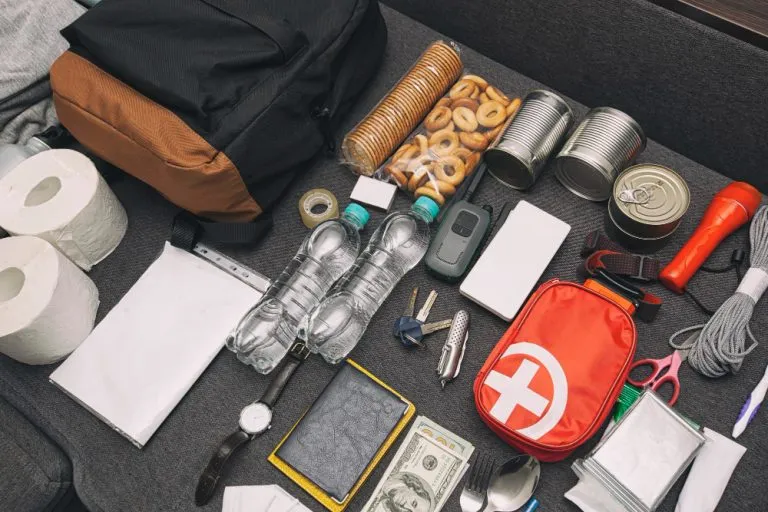
A winter road trip can be the best kind of trip. The mountains are quiet, the small towns are lit up for the holidays, and a cabin at the end of the drive feels earned. The difference between a great snowy drive and a stressful one usually comes down to what is in your car before you leave.
Here are the winter road trip essentials worth packing, how to get your car ready, and the planning habits that keep the trip on track when the weather turns.
Get the car ready before you pack
The best gear in the world will not help much if the car itself is not ready for the cold. A week or two before the trip, take care of the basics.
- Tires. Check the tread and the pressure. Cold air lowers tire pressure, so check it again on a cold morning. If you are heading into real snow country, winter tires make a big difference in grip and stopping.
- Battery. Cold weather is hard on batteries. If yours is a few years old, ask a shop to test it before you go.
- Wipers and fluid. Replace worn wiper blades and fill the reservoir with washer fluid rated for freezing temperatures. Salty road spray can cover a windshield in minutes.
- Lights. Make sure headlights, brake lights and turn signals all work, and clean the lenses.
- Service. If an oil change or other routine service is coming up soon, do it before the trip rather than after.
The winter road trip essentials checklist
Think of this in three groups: things you will use every day, things that keep you warm, and things you hope you never need.
Everyday winter driving gear
- An ice scraper and a snow brush
- A small folding shovel
- Spare washer fluid
- A phone charger that works in the car, plus a charged power bank
- A paper road map or a downloaded offline map, since cell service can drop out in the mountains
- Sunglasses for glare off the snow
Keep everyone warm
Even on a short drive, dress as if you might need to step outside for a while.
- A warm blanket or sleeping bag for each person
- Extra hats, gloves and socks
- Winter boots, even if you drive in sneakers
- Hand and foot warmers
- A thermos of something hot for the long stretches
Emergency kit
Pack these in one bag or bin so they are easy to find in the dark.
- A flashlight or headlamp with spare batteries
- A first aid kit and any medications you need
- Jumper cables or a portable jump starter
- Bottled water and shelf stable snacks
- Sand, cat litter or traction mats to help a stuck tire grip
- Reflective warning triangles or road flares
- Tire chains or traction devices if your route goes over mountain passes
If you are also bringing skis and boots, our ski trip packing list covers the rest of the bag.
Know your route before you go
Winter routes need a little more homework than summer ones.
Check road conditions and closures
Most states run a 511 traveler information service by phone or online with road conditions, closures and chain rules. Check it the night before and again the morning you leave. Some scenic mountain roads close for the whole winter, such as Independence Pass outside Aspen and much of Trail Ridge Road in Rocky Mountain National Park, so confirm that your planned road is open. Our Aspen ski trip planner covers the winter route into town.
Learn the chain and traction rules
Some mountain highways have traction or chain laws during storms. Colorado enforces a traction law on Interstate 70 in the mountains, and California uses chain controls on routes over the Sierra, including Interstate 80 near Donner Pass. Rules vary by state and by storm, so read the current requirements for your route and practice putting chains on in your driveway, not on the shoulder in a blizzard.
Plan shorter driving days
Snow slows everything down, and winter days are short. Plan fewer miles per day than you would in summer, aim to arrive before dark, and leave a free half day in case a storm pushes your schedule back.
Tips for driving in snow and ice
- Slow down and leave space. Give yourself much more following distance than usual. Stopping on snow and ice takes far longer than on dry pavement.
- Be gentle. Accelerate, brake and steer smoothly. Sudden moves are what cause skids.
- Watch bridges and shady spots. Bridges and overpasses freeze before the rest of the road, and shaded curves can stay icy all day.
- Keep the tank at least half full. It gives you a buffer if you are stuck in traffic or a road closes, and it helps keep moisture out of the fuel line.
- Clear the whole car. Brush snow off the roof, hood, lights and every window before you drive.
- Skip cruise control on slick roads so you stay in full control.
If you get stuck
Most winter trips go smoothly, but it helps to know the plan ahead of time.
- Stay with your car. It is easier to find and it gives you shelter.
- Call for help and tell someone exactly where you are.
- Keep the exhaust pipe clear of snow. A blocked tailpipe can push carbon monoxide into the car.
- Run the engine only in short stretches for heat, and crack a window slightly while it runs.
- Put on extra layers, share blankets and use your hand warmers.
- Turn on your hazard lights or tie something bright to the antenna so other drivers and rescuers can see you.
Great winter road trip ideas
Once your car is packed, the winter options open up. A few classic ideas:
- Ski towns in the Rockies. Drive into Colorado, Utah or Wyoming for a week of skiing, hot chocolate and mountain views.
- Christmas towns. Small towns across New England and the Midwest put on holiday markets, lights and parades all through December.
- Winter national parks. Parks like Bryce Canyon and Grand Canyon look stunning with snow on the red rock, and they are much quieter than in summer.
- Head south. If snow is not your thing, point the car toward Florida, the Gulf Coast or the desert Southwest for a warm winter escape.
Planning your winter road trip in Wander Off
Wander Off keeps the whole road trip in one place. Create an adventure, invite everyone who is riding along, and add stops, restaurants and things to do to the Plan tab by day so the group can vote on favorites. Book hotels and things to do right in the app, or ask the AI Travel Concierge for ideas along your route. Our road trip planner page shows how it works.
On the road, photos and videos land on the right day and place automatically, so the snowy pull offs and cozy diners are easy to find later. Afterward, rate your stops in the Log tab and make the adventure public so friends can copy your trip for their own winter drive.